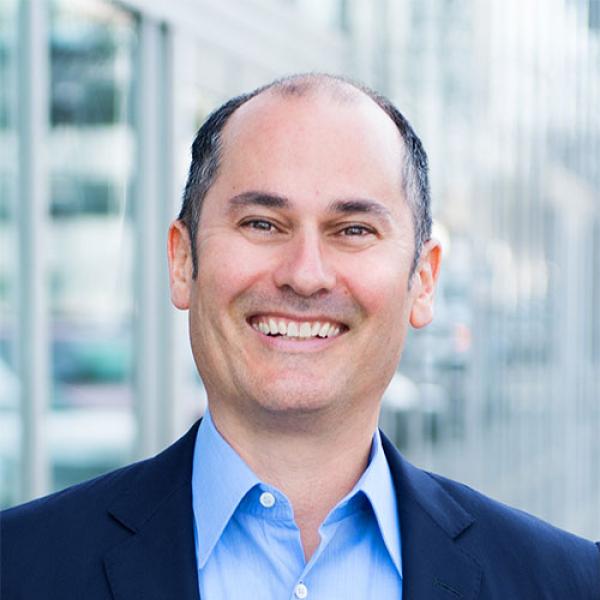
It’s a great question—and one I’ve been asked for decades. I was originally trained by two naturopathic doctors (NDs) in clinical nutrition and functional medicine, so I’ve had a unique perspective on both fields.
Most Americans aren’t entirely sure what naturopathic medicine means, so let’s start there and then explore how it overlaps—and differs—from functional medicine.
What Is Naturopathic Medicine?
Naturopathic medicine is taught in accredited naturopathic medical schools throughout the U.S. The programs typically last four years, much like conventional medical schools, but the focus is on natural and holistic treatments such as:
- Herbal medicine
- Clinical nutrition and dietary therapies
- Lifestyle changes and detoxification
- Time-tested methods like fasting, hydrotherapy, and sauna therapy
Many of these therapies are centuries old, while others are grounded in current scientific research.
Graduates earn the Doctor of Naturopathic Medicine (ND) degree and can be licensed in some—but not all—states. Over the past few decades, more states have begun licensing naturopaths as public demand for natural medicine has grown.
Naturopathy is a highly eclectic profession, meaning individual ND practices can look very different from one another. There are no universal “standards of care,” so treatment for the same condition may vary widely depending on the practitioner and clinic philosophy.
Where Functional Medicine Fits In
This is where things get interesting. Many naturopaths incorporate elements of functional medicine, while most functional medicine doctors are not NDs. Some functional medicine practitioners also draw from naturopathic traditions—so there’s plenty of overlap.
In my view, functional medicine grew out of naturopathy, but developed its own unique focus. Functional medicine is generally more targeted and laboratory-based, emphasizing:
- Advanced diagnostic testing
- Personalized lifestyle and nutritional interventions
- Root-cause analysis of chronic illness
Naturopathic medicine, by contrast, tends to include a broader range of therapies—from homeopathy and botanical medicine to fasting and hydrotherapy.
As a patient, you might find that an ND’s clinic offers a wider menu of treatment options, while a functional medicine clinic focuses more specifically on lab-guided nutrition, hormones, and metabolic balance.
The Overlap Between the Two
In reality, the boundaries between the two fields are fluid. You’ll find:
- Naturopaths who focus solely on traditional naturopathy.
- Naturopaths who blend naturopathy with functional medicine.
- Functional medicine doctors who use only functional medicine protocols.
- Functional medicine doctors who integrate naturopathic tools like herbal medicine or fasting.
The only combination that doesn’t really exist? A functional medicine doctor who practices only naturopathy without any functional medicine principles.
My Personal Journey
My first two major mentors were both naturopathic doctors. Early in my career, I practiced much like an ND—using homeopathy, flower essences, essential oils, and classic naturopathic detox therapies (like fasting, juice cleansing, and herbal remedies).
Over time, I transitioned to a primarily functional medicine model—focused on lab analysis, biochemistry, and targeted protocols. While I no longer use many of the traditional naturopathic therapies in my own clinic, I continue to respect and refer patients to ND colleagues when those methods are appropriate.
Blending the Best of Both Worlds
Some of the most skilled and research-oriented clinicians in functional medicine are licensed NDs. The line between these professions is intentionally blurred—and that’s a good thing. Both disciplines share a commitment to treating root causes, not symptoms, and empowering patients to take ownership of their health.
If you’re seeking care, you may find yourself in the office of an ND who also practices functional medicine—or a functional medicine practitioner who integrates naturopathic concepts.
And if you’re a clinician, you might find that expanding your training to include both frameworks creates a deeper, more holistic clinical approach.
Final Thoughts
I often joke that I have a “mixed background” in more ways than one—my father was Eastern European Jewish, my mother half Japanese and half Portuguese—so it’s no surprise that my professional life also bridges multiple traditions.
I was licensed as a chiropractor, trained by naturopaths, and ultimately became a dedicated practitioner and teacher of functional medicine. It really does take a village—and in this case, a blend of healing traditions—to serve patients well.
Learn More
If you’re interested in expanding your clinical training, the Kalish Institute of Functional Medicine offers a range of practitioner programs designed to build real-world clinical confidence.